
Assistant Professor Hamid Malekzadeh
Full-Time Faculty Member hmalekzade@kashanu.ac.ir
Biography
Hamid Malekzadeh is a political theorist whose work lies at the intersection of political theory and phenomenology. His research is primarily concerned with the lifeworld, embodiment, intersubjectivity, political subjectivity, freedom, the state, and the conditions under which shared social life becomes possible and sustainable.
A central concern of his work is the phenomenological reconstruction of the political beyond state-centered approaches to political ontology. Drawing primarily on Edmund Husserl and the phenomenological tradition, he examines political life from the standpoint of a world already constituted through embodied experience, intersubjective relations, shared meanings, habitual expectations, and forms of coexistence prior to their formal organization by political institutions. This line of inquiry asks how the state, political power, and institutional order should be understood once the lifeworld rather than the state itself is taken as the point of departure.
Another strand of his research concerns embodiment, sexual difference, and feminist phenomenology, particularly the possibilities opened by gendered readings of Husserlian phenomenology. He also works on the history of political thought, especially Machiavelli, Hobbes, Locke, Rousseau, Carl Schmitt, Gramsci, and debates concerning the conceptual foundations of modern political order.
Research Interests
Political Theory; Political Phenomenology; Edmund Husserl; Lifeworld; Intersubjectivity; Embodiment; Political Subjectivity; Freedom and Recognition; The Political; State and Political Ontology; Critiques of State-Centered Political Theory; Feminist Phenomenology; Sexual Difference; History of Political Thought; Machiavelli; Hobbes; Locke; Rousseau; Carl Schmitt; Iranian Political Theory; Governance and Sustainable Social Life; Peace and the Metaphysics of the State.
Current Research
His current research develops a phenomenological approach to political order by shifting the analytical starting point from the state to the lifeworld. The central question is how political institutions, forms of power, and practices of governance affect the conditions under which individuals can continue to inhabit a shared world, form expectations about the future, pursue their purposes, and sustain relations of mutual dependence.
Within this broader research programme, he is developing the concept of the conditions of sustainable social life as a way of examining the relationship between political order and lived experience. This involves investigating the gap that may emerge between the formal functions of institutions and their experienced effects, as well as the ways in which political interventions reorganize the practical horizons within which social life takes place.
A parallel line of research returns to major figures in the history of political thought—particularly Machiavelli, Hobbes, Locke, and Rousseau—to examine political order in relation to the problem of life rather than treating the history of political thought simply as a succession of theories of sovereignty or the state. His recent work also addresses the political ontology of the modern state, the search for political recognition, and the metaphysical presuppositions that shape modern conceptions of peace.
Academic Engagement
Alongside his research, Malekzadeh has been active in scholarly translation, academic editing, professional associations, academic conferences, invited lectures, and forms of public scholarship intended to bring political theory into conversation with contemporary political and social questions.
His academic activities have included sustained engagement with phenomenology through scholarly associations and editorial work, as well as the translation and introduction of phenomenological texts into Persian. He has also contributed to public discussions of political concepts through essays, lectures, and radio programmes concerned with the conceptual vocabulary of politics.
International Collaboration
He welcomes international academic collaboration in political theory and phenomenology, particularly on projects concerning the lifeworld, embodiment, intersubjectivity, political ontology, the modern state, political subjectivity, peace, recognition, and the phenomenological foundations of political life.
My affiliation
Assistant Professor


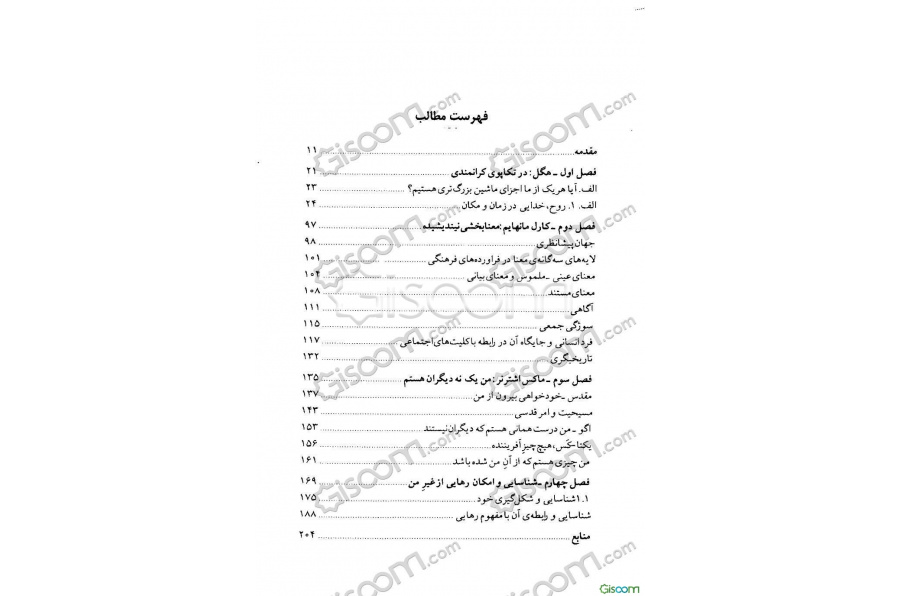
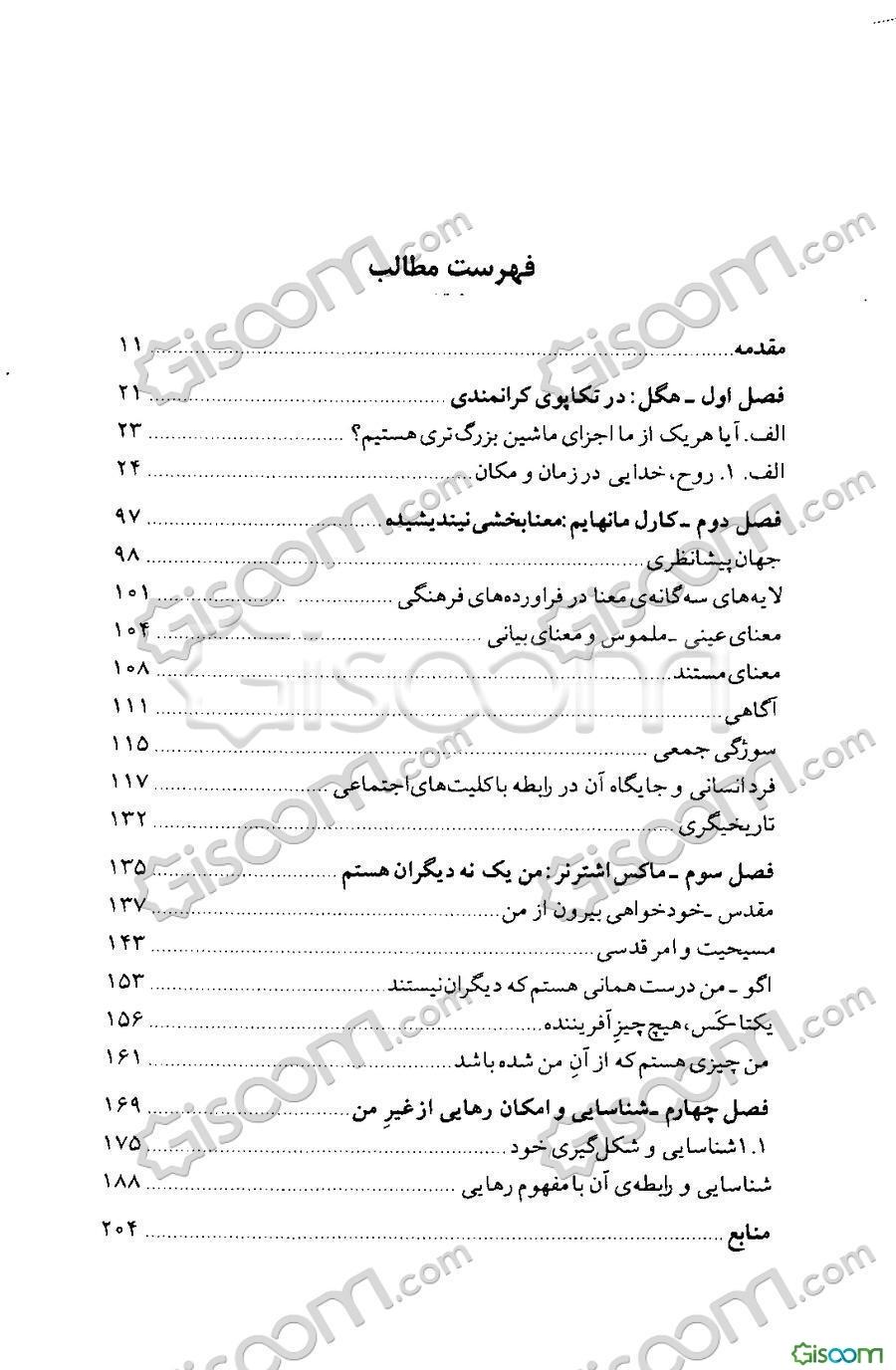
من یک نه ـ دیگران هستم: کاوشی در مفهوم شناسایی و انضمامیت سوژه سیاسی
I Am a Non-Other: An Inquiry into Recognition and the Concreteness of the Political Subject
What kind of relationship exists between the social mode of human existence, one’s relation to oneself, and the concept of the “Other”? Through what epistemological framework is the human mode of being-in-the-world organized and communicated to the subject? When we use the word “I,” what exactly do we have in mind? More precisely, what epistemological domain is designated by the term “I” when it is used to point to, identify, and present oneself? Through what processes is this domain constituted, and how are the mechanisms of othering within the individual related to the formation of an understanding of a part of the world as the “self”? What laws or rules govern the relation between this domain and others? What intention lies behind human attempts to distinguish themselves from the Other?
And finally, there is the more fundamental question: under the force of what impulse do differentiated human selves—whether at the social level, in the form of groups of individuals, or at the individual level, in the form of distinct personal identities—seek to present their distinctive characteristics to others in order to be recognized?
It can be argued that a significant part of human intellectual inquiry and philosophical research in political philosophy and the social sciences has been directed toward answering these questions. The issue becomes even more important when we consider that, in the post-Hegelian world, a considerable number of political philosophers have sought to explain the persistence of domination—as one of the central problems of political philosophy—through the relation between self and Other.