
رزومه
QR


فرشاد بوربور اژدری

فرشاد بوربور اژدری

استادیار

دانشکده: دانشکده شیمی

گروه: شیمی فیزیک

مقطع تحصیلی: دکترای تخصصی

سال تولد: ۱۳۶۸

رزومه
QR
فرشاد بوربور اژدری

استادیار فرشاد بوربور اژدری

دانشکده: دانشکده شیمی - گروه: شیمی فیزیک مقطع تحصیلی: دکترای تخصصی | سال تولد: ۱۳۶۸ |


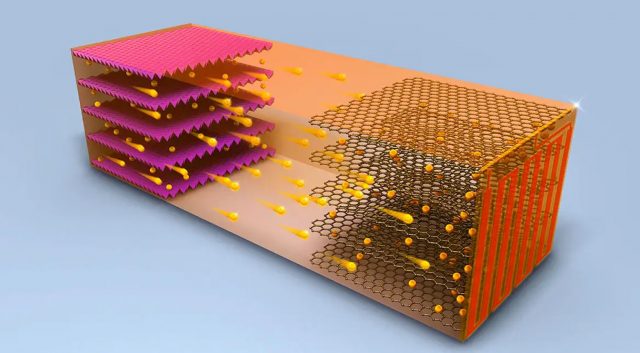
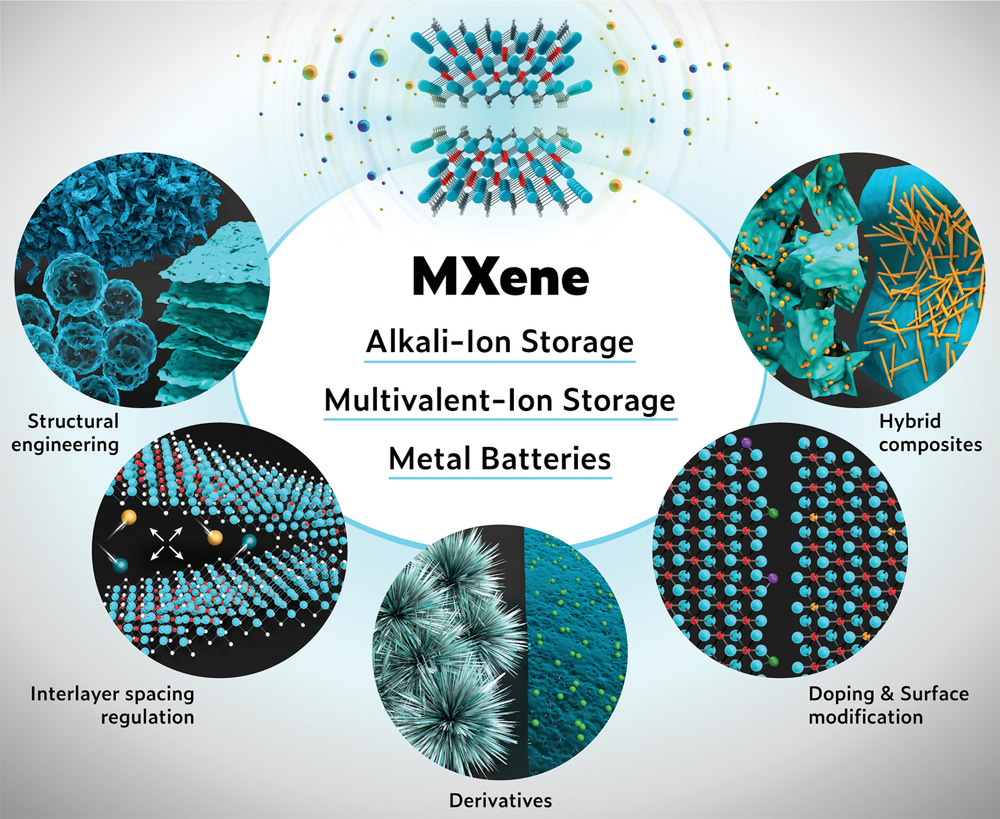
  • Our research group's research activities focus on developing Carbon-based Materials, Nano Materials, Ionic Liquids, Conductive Polymers, Metal-Organic Frameworks (MOFs), Mxene (2D materials), and their use in various applications such as batteries, supercapacitors, and similar activities.
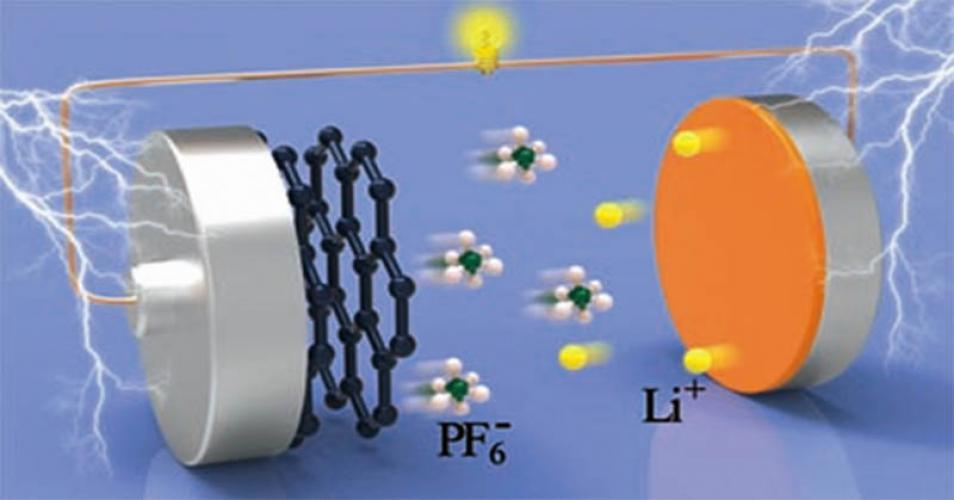
  • All the students interested in working with our group on developing Li-ion Batteries, Li-air Batteries (LIBs), Li-CO2 Batteries, and Lithium-Sulfur (Li-S Batteries) do your research we sincerely welcome.


  • فعالیت های پژوهشی گروه تحقیقاتی ما، به صورت متمرکز، بر روی توسعه مواد کربنی (Carbon-based Materials)، نانومواد (Nano Materials)، مایعات یونی (Ionic Liquids)، پلیمرهای هادی (Conductive Polymers)، مواد آلی-چارچوب فلزی (Metal Organic Frameworks)، مواد دو بعدی Mxene و به کار گیری آنها در کاربردهای مختلف از جمله باتری ها (Batteries)، ابرخازن ها (Supercapacitors) و فعالیت های مشابه است.


  • از همه دانشجویانی که تمایل دارند که با گروه ما بر روی توسعه باتری های لیتویم-یون (Li-ion Batteries)، لیتویم-هوا (Li-air Batteries)، لیتیوم-کربن دی اکسید (Li-CO2 Batteries) و لیتیوم-سولفور (Li-S Batteries) تحقیق و پژوهش کنند، صمیمانه استقبال می کنیم. 


My affiliation

Department of Applied Chemistry, Faculty of Chemistry, University of Kashan, Kashan, Iran

نمایش بیشتر

Stable Li/LAGP Interface Enabled by Confining Solvate Ionic Liquid in Hyperbranched Polyanionic Copolymer for NASICON-Based Solid-state Batteries

نویسندگانWenya Lei, Chaofan Zhang, Rui Qiao, Mahalingam Ravivarma, Haixia Chen, Farshad Boorboor Ajdari, Masoud Salavati-Niasari, Jiangxuan Songg
نشریهACS Applied Energy Materials
نوع مقالهOriginal Research
تاریخ انتشار2023-04-03
رتبه نشریهISI
نوع نشریهالکترونیکی
کشور محل چاپایالات متحدهٔ امریکا

چکیده مقاله

The NASICON-type Li1.5Al0.5Ge1.5P3O12 (LAGP) ceramic electrolyte has the advantages of relatively high ionic conductivity, a wide electrochemical potential window, and air stability. However, side reactions and poor thermal stability between lithium metal and LAGP are enormous challenges. Here, we report a gel polymer electrolyte (GPE) interlayer composed of a solvate ionic liquid and a hyperbranched polyanionic copolymer to stabilize the Li|LAGP interface. The GPE with epoxy groups ensures excellent compatibility and protection between the LAGP and Li metal anode to suppress unfavorable reactions. Moreover, introducing a solvate ionic liquid with non-inflammability can effectively avoid the hidden danger of thermal runaway between lithium metal and LAGP at high temperatures (300 °C). The Li|GPE|LAGP|LiFePO4 full cell with the gel interface layer delivers a high reversible capacity of 139.5 mA h g–1 at 0.3 C and can stably cycle 300 times with a retention of 93.4%. This work provides an enlightening strategy for unstable electrolyte interfaces in promising, safe, and outstanding solid-state batteries.

لینک ثابت مقاله