
| نویسندگان | Farshad Boorboor Ajdari, Mahdi Niknam Shahrak, Mahshid Ershadi, Mehdi Shakourian-Fard, Fereshteh Abbasi, Ganesh Kamath, Faeze Akbari Beni, Fatemeh Ghasemi, Hamid Reza Ghenaatian, Seeram Ramakrishna |
|---|---|
| نشریه | Reviews in Chemical Engineering |
| شماره صفحات | 1 |
| شماره مجلد | 1 |
| ضریب تاثیر (IF) | 4.9 |
| نوع مقاله | Full Paper |
| تاریخ انتشار | 2024-09-03 |
| رتبه نشریه | علمی - پژوهشی |
| نوع نشریه | الکترونیکی |
| کشور محل چاپ | ایران |
| نمایه نشریه | SCOPUS ,JCR |
چکیده مقاله
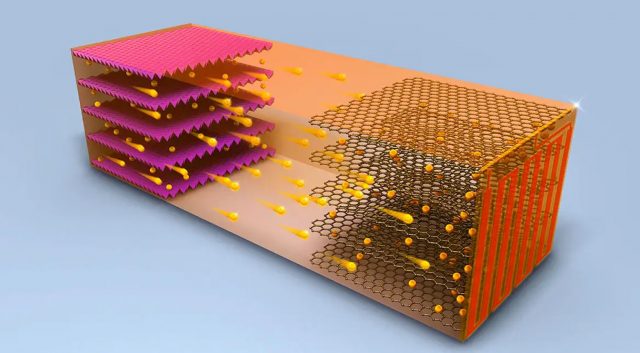
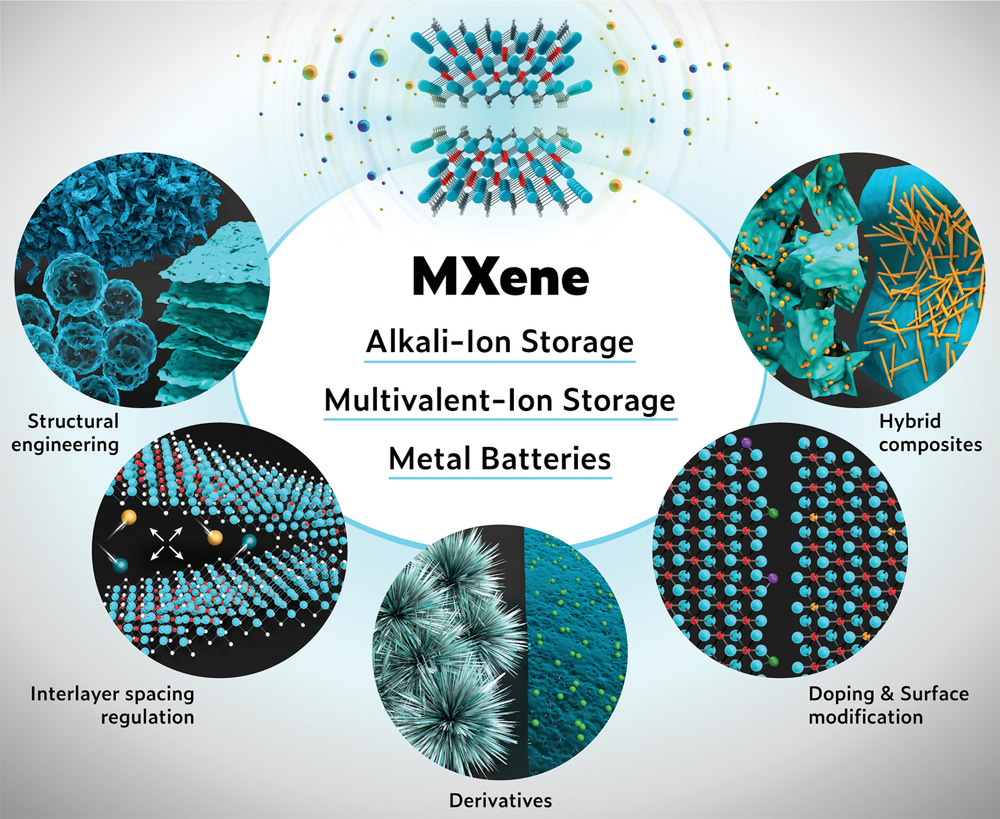
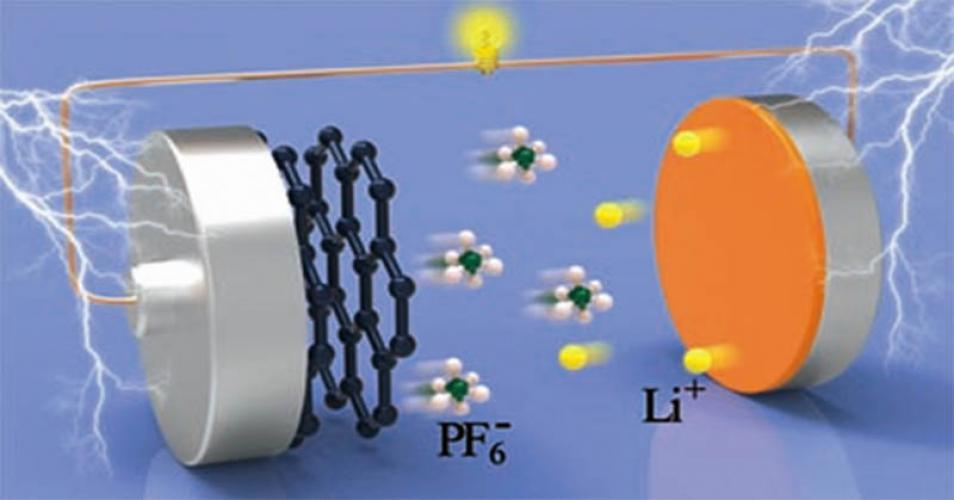
Despite concerns regarding safety, economics, and the environment, lithium-ion batteries (LIBs) are considerably utilized on account of their low energy density and capacity. Li–sulfur (Li–S) batteries have become a promising substitute for LIBs. Here, we first compared both systems in their cons and pros and analyzed the leading countries and companies in Li–S research are assessed through the utilization of an academic database. The scope of our research includes performance-enhancing design elements, cathode components, and binder materials. Synthetic and natural binders are trialed in an effort to enhance Li–S performance. Understanding the fundamental mechanisms enables the development of durable cathodes and binders. To overcome obstacles such as polysulfide adsorption, shuttle effect, and ion transport limitations, conducting polymers, metal/metal oxides, carbon-based compounds, MOFs, and Mxenes are investigated as potential cathode materials. In addition to pore characteristics and active polar sites, the efficacy of a battery is influenced by the anode surface geometry and heteroatom doping. Our review indicates that binders and sulfur/host composites must be meticulously chosen for Li–S battery cathode materials. This research advances energy storage technology by establishing the foundation for economically viable lithium–sulfur batteries with superior performance.