رزومه وب سایت شخصی
QR


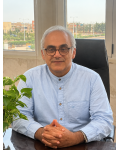
حامد حبیب زاده

حامد حبیب زاده

استادیار

دانشکده: دانشکده ادبیات و زبان های خارجی

گروه: زبان و ادبیات انگلیسی

مقطع تحصیلی: دکترای تخصصی

سال تولد: ۱۳۵۱

رزومه وب سایت شخصی
QR
حامد حبیب زاده

استادیار حامد حبیب زاده

دانشکده: دانشکده ادبیات و زبان های خارجی - گروه: زبان و ادبیات انگلیسی مقطع تحصیلی: دکترای تخصصی | سال تولد: ۱۳۵۱ |

ساعات مشاوره:

روز های شنبه تا چهارشنبه، از ۸ صبح تا ۸ شب (به استثنای ساعات کلاسی و جلسات).

 اگر حضوری تشریف می‌آورید، از قبل هماهنگ بفرمایید.

شماره:  ۰۹۳۵۱۳۳۳۹۰۳ // HamedHabibzadeh33@

(همیشه می توانید در شبکه های پیام‌رسان پیغام بگذارید. دستگاه تلفن خاموش است و طبعا پیامک هم دریافت نمی شود.)


My affiliation

گروه انگلیسی، دانشکده ادبیات و زبان های خارجی، دانشگاه کاشان

English Department. Faculty of Literature and Foreign Languages. University of Kashan

نمایش بیشتر

Refashioning Letters, Words, and Stories in Margaret Atwood

نویسندگانحامد حبیب زاده
همایشبیست و یکمین کنگره انجمن بین المللی ادبیات تطبیقی
تاریخ برگزاری همایش2016-7-21
محل برگزاری همایشوین
نوع ارائهسخنرانی
سطح همایشبین المللی

چکیده مقاله

This paper attempts to portray the literary coordinates of the speculative world of Margaret Atwood’s 21st century novels, Oryx and Crake (2003), The Year of the Flood (2009), and MaddAddam (2013) to investigate the appropriation of language. Atwood forecasts an imminent future for Earth and human species in which a laboratory-made pandemic destroys almost all human beings while the endangered Earth survives with a handful of human survivors and a small group of gene-spliced brand-new human beings. The defining characteristic of survival seems to be a capability to recognize letters, to use words, and to narrate stories in contrast to the priority given to “number” proficiency in the present world. The novels are a speculation of what might happen if human beings continued exploiting technologies and nanotechnologies to interfere in nature. Atwood writes futuristically, but the trilogy is a rewrite of the history of human genesis and their nomenclatural identity. The result is not only a present-based forecast, but also an arguable hindcast. While the starting point is the novelistic world, it is the myth of language that will be cultivated in the paper.